Plastering Work
Civil Works
Quick gallery
Didn’t find what you’re looking for?
Create a custom service request →
Plastering Work
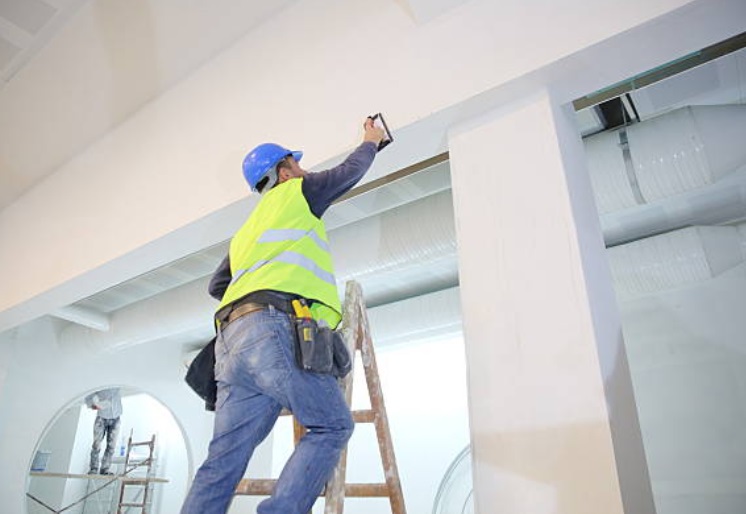
Plastering works involve applying a thin layer of mortar or plaster over brick, block, or concrete surfaces to create a smooth, protective, and visually uniform finish. This layer hides masonry joints, improves durability, and prepares walls and ceilings for paint or other finishes
Plastering Works – Service Overview
Plastering is used on internal and external walls, ceilings, columns, and beams to achieve a level, crack‑resistant, and easy‑to‑clean surface. It also helps with damp resistance, minor surface sealing, and better aesthetics compared to exposed masonry.
What we do
Prepare the surface by cleaning dust, oil, and loose material, roughening or raking joints, repairing cavities, and thoroughly wetting the background before plaster.
Mark reference dots and screeds to maintain uniform thickness and proper line and level across the entire wall or ceiling.
Mix plaster (cement‑sand or gypsum, as specified) in the right ratio and consistency, then apply base and finish coats to the required thickness.
Level, float, and trowel the surface to achieve the specified finish—plain, sponge, or textured—ready for putty and paint.
Cure cement‑based plaster for the recommended period to minimise shrinkage cracks and ensure long‑term strength and bonding.
Where we are expert
Internal cement plaster for walls and ceilings in homes, offices, and shops needing a smooth paint‑ready finish.
External plaster for building facades, parapets, and boundary walls, including slightly richer mixes or additives where better weather resistance is required.
Special areas like bathrooms, kitchens, and balconies where careful surface prep and correct mix help reduce damp patches and tile de‑bonding.
What makes us unique
Strict control on surface preparation, mix proportions, and thickness so plaster adheres well and remains free from major waves and hollows.
Use of appropriate materials (cement, sand grading, additives, or gypsum) matched to location and final finish requirements.
Skilled application sequence—ceiling first, then walls, with proper joints around door/window frames—to reduce cracks and visible joints.
Clean execution and site management so adjacent finishes, floors, and fixtures are protected, and the area is handed over in a paint‑ready condition
Choose your option

Patch Plastering

Wall Plastering